Gestalt Language Processing Activities for Home: A Full Routine Guide

If your child is a gestalt language processor, you probably already notice that their path to talking just isn’t typical. Instead of building sentences word by word, they might echo whole lines from shows, books, or even things you say yourself. Gestalt language processing activities often work well when they blend into the routines you already share, like meals, play, or winding down for bed.You don’t need fancy materials or perfect timing to help your child’s language grow. The routines you repeat every day—those are useful tools. When you use real language during moments that mean something to your child, they can pick up phrases that actually matter to them.This guide gives you simple ideas for different parts of your day. You’ll find suggestions for mealtimes, play, tricky transitions, and calming routines. Each activity helps you model phrases in a way that feels easy and natural for both of you, without making everything into a lesson.These ideas are general home supports, not a substitute for guidance from your child’s SLP. If your child has a speech, language, feeding, sensory, or developmental concern, an SLP can help adapt routines to your child’s needs.
What Makes an Activity Helpful for Gestalt Language Processing
Helpful activities are often the ones where your child feels connected and safe, where language comes up naturally in familiar situations, and where what your child cares about leads the way.
Start With Connection Before Correction
Your relationship with your child is more important than perfect language practice. When you focus on connection first, your child feels safe enough to try out new ways of communicating.
Gestalt language processing support may feel more productive when kids are relaxed and engaged. If you spend time correcting grammar or pushing your child to say things differently, they might pull back or stop communicating. Instead, acknowledge what they share and respond with language that fits the moment.
Try playing together with no agenda except having fun. Build blocks, swing at the park, or look at books side by side. During these times, you can describe what’s happening without asking your child to perform or repeat anything.
Many kids are more open to language patterns when they feel calm and connected to you. Your warm presence and genuine interest can matter more than any specific words you hope they’ll use.
Use Predictable Contexts and Natural Scripts
Many gestalt language processors may benefit when activities happen in a similar way each time. Predictable routines can help kids connect language with what is happening in that situation.
Pick activities that usually have a clear beginning, middle, and end. Snack time, bath time, and bedtime routines can be useful because they often follow a familiar pattern. Your child may start to link certain phrases with certain parts of the routine.
Language modeling can be useful in these moments. You might say "time to get the bubbles" when you start a bath, or "all done, towel time" when the bath wraps up. These natural scripts give your child whole phrases that connect to their daily life.
Repeating these scripts may help your child become familiar with meaningful chunks of language. Over time, they might use these phrases in familiar moments or begin changing them in ways you and your child’s SLP can notice together.
Follow the Child's Interest and Energy
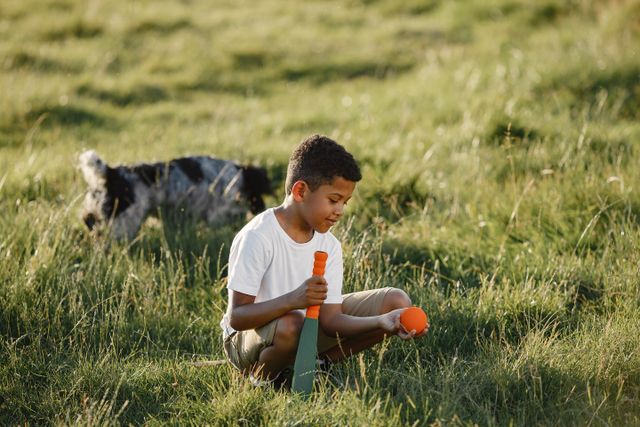
Your child may communicate more when they care about what’s going on. Activities often work better when they match what your child is genuinely excited about right now.
Watch what your child reaches for, looks at, or talks about with their favorite scripts. Maybe they love water play, spinning things, or a certain video. Build activities around these interests instead of picking what you think they should like.
When you follow their lead, you get natural chances to model language that matters to them. If your child loves trains, talk about trains going fast, stopping, or where the train is headed. This language connects to something they really want to share about.
Their energy level also tells you if an activity is working. A good activity keeps your child calm and interested, not overwhelmed or bored. If they seem tired or frustrated, the activity might be too long or too much. Shorter activities that end on a positive note usually work better than pushing through to the end.
Mealtime Activities for Everyday Language Modeling
Mealtimes are full of chances to use the same words and phrases again and again. Your child hears complete scripts in context when you talk about snack choices, cook together, and finish up.
Snack Choice Routines
Mealtime routines give your child lots of chances to hear the same language every day. When you offer snacks, try using a familiar phrase. You might say "Do you want crackers or cheese?" at afternoon snack. Your child may hear this whole sentence as one chunk.
Pick two or three snack options you can offer regularly. Say the full choice with the same words and order. "Time for snack. Do you want apple or banana?" becomes a predictable script. Your child might start to use the whole phrase when they’re ready.
Keep it simple and consistent. Use the same bowl, same spot at the table, and same language. "Let’s get your snack. Crackers or pretzels?" Repetition helps your child absorb the whole language chunk. You can point to each option as you name it, too.
Cooking Together With Simple Scripts
Cooking gives you plenty of chances to repeat the same steps and words. Making toast for breakfast becomes a script when you say the same things each morning. "Get the bread. Put it in. Push it down. Toast is hot. Wait for the ding."
Pick one or two simple recipes you make often. Scrambled eggs, sandwiches, or mixing pancake batter all work. Narrate each action with short, complete phrases. "Crack the egg. Stir it up. Pour it in." Your voice becomes part of the routine.
Let your child help however they can. Maybe they pour, stir, or just watch closely. Keep using your scripts as you work together. "Get the bowl. Pour the milk. Mix mix mix. All done mixing." These become familiar language models your child hears in a real context.
Cleanup and Finished Routines
The end of a meal gives you another chance to repeat language. Use the same cleanup script after every meal and snack. "All done eating. Wipe your hands. Put your plate here." Your child starts to expect these phrases.
Create a simple sequence you can do the same way each time. Try "Finished. Push in your chair. Bring me your cup." When the routine stays the same, the language stays the same. Your child learns the whole phrase as one piece.
During cleanup, you can sing or chant. "Clean up, clean up, time to clean up" gives your child a musical script. You can also narrate what you see. "Plate in the sink. Crumbs in the trash. Table is clean." Keep your phrases short and your routine steady so your child hears these language chunks many times a day.
Play Based Activities That Invite Natural Gestalts
Play can be a useful time for your child to hear language chunks that feel meaningful. When you follow your child’s lead during play, you create shared moments where gestalts may form through repetition and emotional connection.
Pretend Play and Character Voices
Pretend play gives you lots of chances to use the same phrases in context. When you play with dolls, action figures, or stuffed animals, try using character voices to make specific phrases more memorable and fun.
Use the same short phrases each time a character shows up. "Here I come!" works when a superhero flies in. "Time for bed" fits when tucking in a toy. "All done now" signals the end of an activity.
Your child doesn’t need to repeat these phrases right away. They’re collecting them as whole units. Let them hear you say "Oh no! A monster!" during dinosaur play or "Ready, set, go!" before sending cars down a ramp.
Keep these phrases short and repeat them naturally during play. Three to five words often work well. When your child gets interested in a certain play scenario, stick with it and use the same language every time you play that way together.
Sensory Play and Shared Reactions
Sensory activities like water play, playdough, or sand naturally give you moments to react together. These shared reactions are great times to model simple gestalts.
When your child squishes playdough, you can say "So squishy!" every time. Pouring water goes with "Pour it in!" Mixing colors brings out "Look at that!" These short exclamations match what your child is experiencing right then.
Sensory play may keep some kids engaged longer, so you may get more chances to repeat phrases. Your child focuses on the activity, and your words can become part of the whole experience. The phrase and the sensation may start to connect in your child’s mind.
You can also pause and wait during these activities. Sometimes your child might fill the silence with a gestalt they’ve stored. Even if they stay quiet, they’re still soaking up the language you use during these calm, focused times together.
Movement Games and Songs
Movement activities and songs offer built in repetition that may help gestalts stick. Songs with hand motions, dancing, or action games can work well for child led play based speech therapy.
Pick songs with clear, repeating lines. "Ring Around the Rosie" ends with "all fall down." "The Wheels on the Bus" repeats many short phrases. Jumping games can use "jump jump jump" or "ready to jump?"
Let your child pick which songs or movements to do. When they get excited about a certain game, play it again and again. Each time gives them another chance to pick up the whole phrase as one piece of language.
You can also make up your own simple movement routines. Tickle games might always have "I'm gonna get you!" Swinging can go with "up so high!" Spinning brings "round and round!" These phrases tie into the physical fun your child feels, making them more likely to remember and use the whole chunk later.
Transition Activities for Hard Moments
Tough moments often show up when your child has to stop one thing and start another. Using repeated language scripts and visual supports during transitions may help your child feel more calm and ready for what’s coming.
Leaving the House
Getting out the door can be one of the trickiest parts of your day. Your child might need the same words and the same steps each time you leave.
Try a simple goodbye routine with the same phrase every time. Say "shoes, coat, car" as you go through each step. Some families use a song or a short script from a favorite show that means it’s time to go.
Visual schedules with pictures of each step help your child know what’s next. Point to each picture as you say the words. This gives your child both visual and verbal cues about the transition.
Starting early may be more helpful than hurrying. You might begin your routine ten or fifteen minutes sooner than you think you need. This can give your child time to process the change without feeling rushed.
Switching Activities
Moving from a favorite activity to something less exciting may go more smoothly with clear and steady language. Your child may do better when they hear a familiar transition script.
A simple "first, then" phrase works well for many kids. Say "first snack, then bath" or use the exact words your child already knows from a video or book. Keep the language short and repeat it the same way each time.
Timers can help as a visual countdown, especially when you pair them with your words. Say "two more minutes, then cleanup time" using a familiar phrase when the timer comes out. Your child may start to associate those words with the change that’s coming.
Some kids do better with a transition object they carry from one activity to the next. This could be a small toy or comfort item that helps bridge the gap between what they’re leaving and what’s next.
Screen Time Endings
Turning off a screen can lead to big feelings because the change may feel sudden. Your child may benefit from a heads up and steady language to handle this transition.
Give several warnings using the same words each time. Say "two more minutes of tablet," then "one more minute of tablet," and finally "all done tablet, time for dinner." Repeating these helps your child get ready for the change.
Some families have a short closing routine every time. Maybe you press the power button together while saying "all done" or sing a special goodbye song to the screen. The routine becomes a script your child can rely on.
Try using a visual timer your child can see nearby. Pair it with your verbal countdown so your child gets both cues. When your words and timing stay the same, your child feels more secure about what’s coming next.
Bedtime and Calm Routine Activities
Bedtime can be a natural window for language modeling, thanks to the repeated phrases and calming scripts that come with it. Those familiar steps before sleep can give your child chances to hear the same words often, without turning bedtime into a lesson.
Bath and Pajama Routines
Bath time and getting ready for bed usually follow the same order. That repetition gives your child a chance to soak up the same language chunks, night after night. Maybe you always say, "time for bath" or "let's get in the tub" in a similar way each evening.
Over time, your child might start using whole phrases like "all done with bath" or "pajamas on." These stick because your child hears them in the same context. The calm, familiar feeling of these routines makes language modeling feel easy and relaxed.
Try simple narration as you go. Say "arms in" when you help with pajama sleeves or "bubbles on hands" during handwashing. Stick with the same words each night. Your child learns these little scripts just by hearing them over and over in the same situation.
Books and Repeated Lines
Reading the same books at bedtime gives your child repeated language in a way that feels cozy. Some kids who are gestalt language processors memorize whole books or favorite lines. This can be part of how they learn and use language.
Pick books with rhythmic or repetitive text. Stories with repeated refrains give your child language chunks they can use later. You might catch your child repeating "goodnight moon" or other lines from a beloved story.
If your child wants the same book several nights in a row, it can be fine to go with it. That kind of repetition may support gestalt processors. Sometimes they’ll say lines from the book during the day, which may show they’re using familiar language in new moments.
Try pausing before a familiar line and let your child fill it in. This gives them a chance to use the scripts they know. No need to turn it into a test or quiz. Just enjoy the shared language together.
Goodnight Rituals
Those final moments before sleep usually include the same words and actions. Maybe you always say "night night," "sweet dreams," or "I love you" in a certain way. These become comforting scripts your child can count on.
Many families come up with a little sequence of goodnight sayings. Maybe it’s "goodnight, sleep tight" followed by "see you in the morning." Your child hears this routine again and again and may start using it too.
What matters most is your support during these quiet times. Stick with your favorite phrases each night. Your child benefits from hearing the same loving words in the same order. That predictability feels safe and helps with language learning too.
Some kids even mix and match their own goodnight scripts, combining phrases from shows or books with your family’s bedtime words. Whatever language they use, accept it and respond warmly.

How to Track What Is Working Without Making It a Test
If you want to track progress, just notice what your child says, jot down when and where they say it, and share those little observations with professionals who understand gestalt language processing.
Notice Repeated Gestalts
Listen for scripts your child uses more than once. These repeated phrases show what language feels comfortable or meaningful right now. Maybe you hear the same movie line at breakfast a few days in a row, or notice a certain phrase pops up every time the dog walks by.
Write down the exact words your child uses. Don’t stress if it doesn’t sound like typical speech. The goal is to see which gestalts show up often in daily life.
Keep a quick list on your phone or in a notebook. When you hear a gestalt repeated, jot it down with the date. No need to analyze it yet. Just capture what you’re hearing. Over time, you’ll have a record to look back on and see how your child’s language shifts.
Record Context and Meaning
Note where your child was and what was happening when they used each gestalt. The situation gives clues about what the phrase means to your child, which might not match the literal words.
Think about what happened right before they spoke. Were they excited about a snack? Did someone open a door? Were they trying to get your attention? This helps you get the message, even if the words seem random.
Apps like Gestaltsprout can help because you can quickly record the phrase, the situation, and your guess about what it means. You’re building a picture of how your child uses language to connect with the world around them.
Share Patterns With an SLP
Bring your notes to speech sessions so your SLP can see what’s happening at home. They might spot patterns you missed and help you understand whether your child’s scripts are changing, becoming more flexible, or pointing to useful next steps.
Your observations give the SLP real examples to work with. They can suggest which gestalts to model back, how to build on them, or when your child might be ready for new language input.
You don’t have to wait for formal progress reports. Sharing what you notice between sessions helps your SLP adjust activities and offer better strategies. Your daily notes become part of the team’s support for your child.
Conclusion
Helping your gestalt language processor at home really doesn’t need fancy supplies or complicated schedules. The activities that often work well usually fit right into your daily life and let your child use language in their own way, without feeling any pressure.
Home support looks different for every family. Maybe you talk through bath time, sing the same silly songs at lunch, or watch a favorite show together while your child repeats the lines they love. Those little moments? They honestly add up.
The heart of it all is low pressure practice that blends into your routines. Many kids are more open to communication when they feel safe and understood. If you notice their scripts and show real interest, you’re building the kind of environment where language may have more room to grow.
Keep these core ideas in mind as you go:
- Follow your child’s lead and match the support to what you and your SLP are noticing
- Offer rich language models, but don’t push for responses
- Celebrate scripts as real communication
- Give them time to process and respect their quiet moments
You don’t have to get everything right. What matters most is being there, showing up, and meeting your child where they are right now. Every time you notice a script or offer a new phrase during play, you may be giving your child another meaningful language model.
Gestaltsprout can make it easier to keep track of the phrases your child uses and notice patterns over time. Those notes may also make it easier to share examples with your child’s SLP and talk about what kinds of support might fit next. In the end, it’s those small, repeated moments with people who care that can help build a strong foundation for your child.
Get our free 5-Day Email Series: Gestalt Speech Made Easy + Bonus Ebook
Learn why your child's scripts are meaningful and how to support natural language at home.
We'll keep your email private. Unsubscribe anytime.